
Chapter Twelve
Digital Nation-Building in Oman
SuperJet and the Sharia-Compliant Digital Bank
Audio only"Nation-building begins with solving frustrations you've lived."
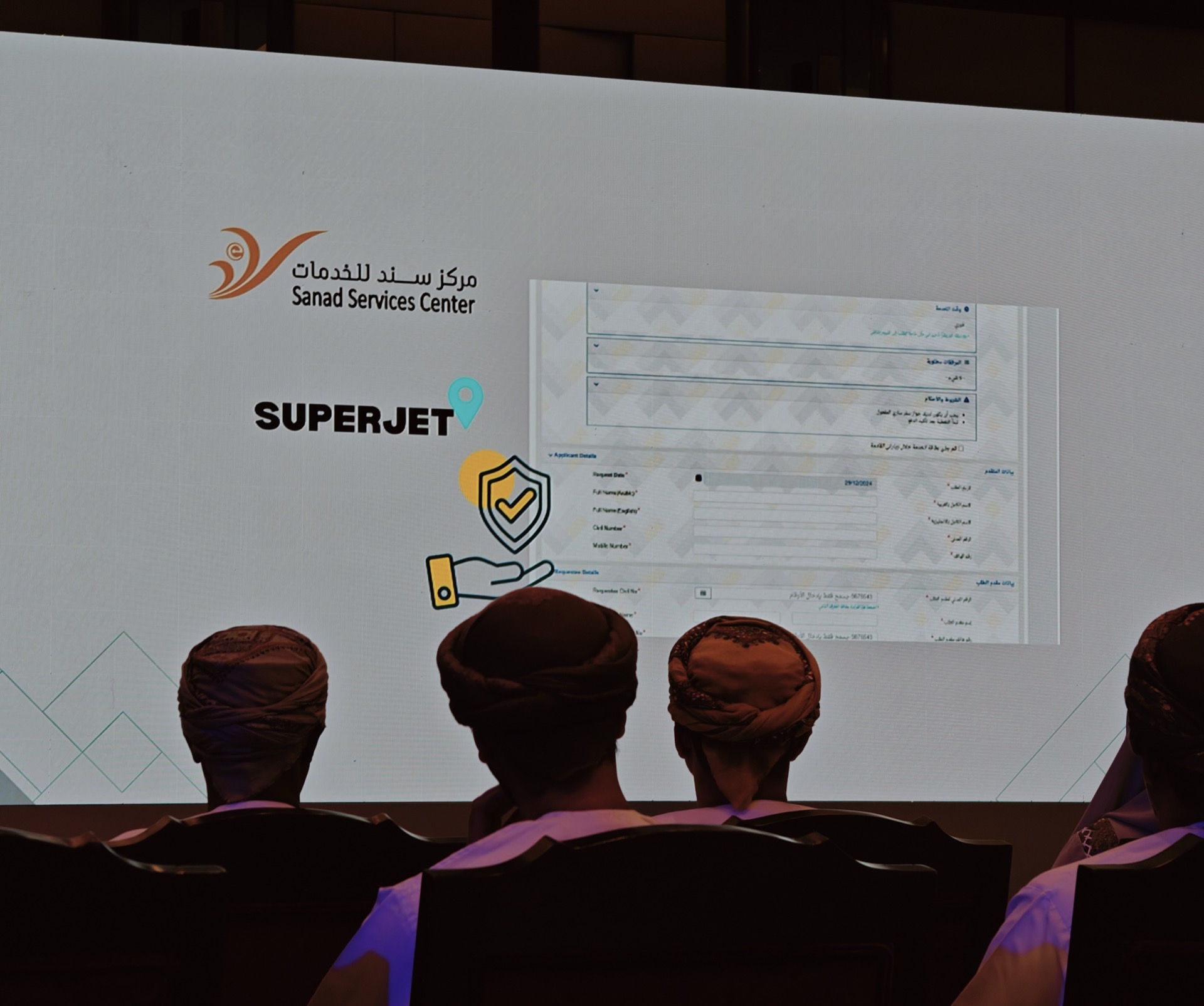
There is a particular kind of frustration that drives entrepreneurship in emerging digital markets. It is not the frustration of inconvenience — it is the frustration of knowing that a solution exists somewhere in the world and is simply not available where you are. You have seen how digital government services work in Estonia. You have experienced seamless insurance purchasing in Singapore. And you are standing in a queue in Muscat, holding a paper form, wondering why.
SuperJet Oman was born from that frustration. Not as a theoretical exercise in digital transformation, but as a practical response to problems I had personally experienced. The platform began with a simple premise: government services, insurance, and financial products should be accessible through APIs that any developer or service provider could integrate.
Building the Digital Infrastructure
The technical challenge was significant but solvable. The harder challenge was regulatory and cultural. Oman has a deliberative approach to digital transformation — one that values stability, compliance, and alignment with national values. This is not a weakness. It is a design constraint, and constraints, as I had learned at Huawei, are innovation accelerators.
We built SuperJet to be compliant from the ground up. Every API, every data flow, every user interaction was designed with regulatory requirements as foundational parameters, not afterthought patches. This approach — governance as accelerator — meant that when we went to market, we did not face the compliance delays that trip up companies that build first and regulate later.
The Sharia-Compliant Digital Bank
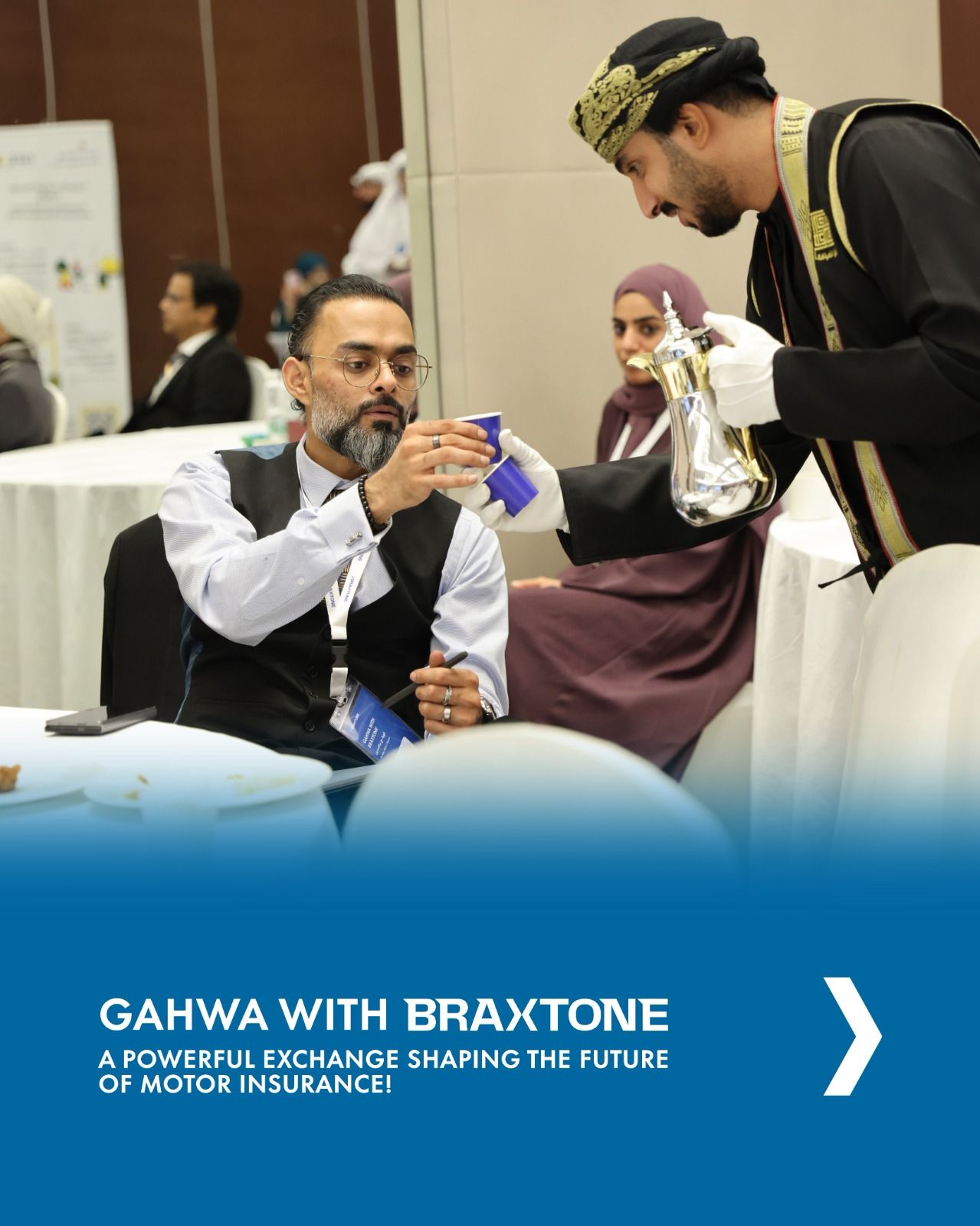
The crown achievement was orchestrating a complete Sharia-compliant digital banking solution — both the technical architecture and the commercial model — in partnership with stakeholders and the Central Bank of Oman. This was not simply a conventional banking app with Islamic finance features bolted on. It was a ground-up design that integrated Sharia-compliance principles into the architectural DNA of the platform, and a solution I submitted to — and saw accepted by — the central bank at a time when Oman's digital banking framework had not yet been launched.
There were no references and no top-down calls. We signed a joint venture with a digital enablement platform for Oman, then did the unglamorous groundwork that makes a proposal credible: the full market demographic study, the economic numbers, the facts — a deep and demanding exercise, tough yet enjoyable, because we knew precisely which figures were the critical ones at the time. When we finally stood before the Head of Innovation at the Central Bank of Oman, we had earned the right to pitch. The approach was deliberately organic, and it was accepted on its own merits. From that first acceptance, the engagement widened — further collaboration with the Central Bank and the regulator, working sessions across the regulator's eleven technical departments to see the solution executed, all the way up to the president. The solution was ultimately accepted, and the work has continued to widen: I now serve as a Central Bank advisor, contributing to market surveys, university programmes, and industry challenges that help shape the sector from the inside.
Digital nation-building, I learned, is not about importing solutions from more developed digital markets. It is about building solutions that respect local constraints and local values. The sharp reduction in citizen service frustration and the marked improvement in digital inclusion that SuperJet achieved were the result of this principle: constraint as design parameter, not obstacle.
Years later, working with governments across the GCC on digital transformation, I saw the same mistake repeated. Organizations wanted to optimize before they had stabilized. They wanted to scale before they had governed. They wanted to import the first-world playbook into contexts that had not yet learned the first-world rules of governance itself. And they failed, not because the technology was wrong, but because the sequence was wrong.
This is the pattern I watched my father live in 1990. Stabilize first. Optimize after. SuperJet was built on this principle. Every digital initiative that succeeded in constrained markets followed it. The constraint is not a limitation to work around. It is the blueprint.